
I Killed Him
From misconception to truth
April 22, 2021
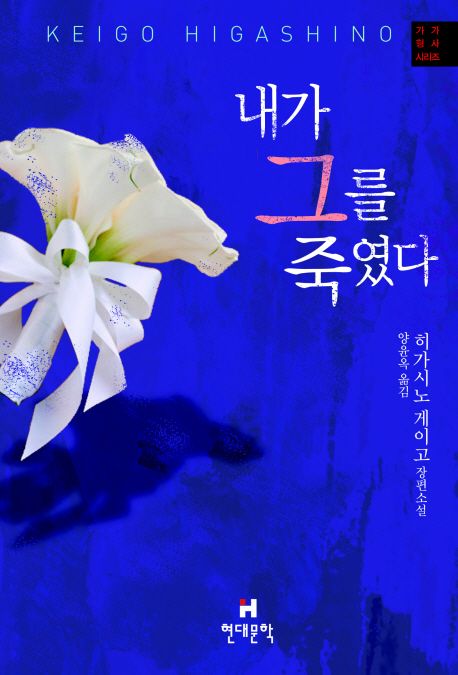
I Killed Him
Keigo Higashino
Hyundae Munhak
2009-06-25
9788972754398
Review
Three different characters appear, all of whom tried to kill in their own way and firmly believe they are responsible for his death.
On the surface, it's easy to think that two are lying or under a delusion, but the author seems to have intentionally separated
Only one person provided the direct cause of his death.
In this situation, the reader must distinguish the single successful murder and solve the puzzle themselves.
At the last moment, instead of explicitly revealing the culprit's name, room was left for the reader to infer directly.
At the time of actual publication, many online discussions took place about who the culprit was, and later the author reportedly revealed the culprit who provided the direct cause.
The author himself admitted that many readers found it difficult to find the culprit without an explanation book or searching.
A first-person narrator is essentially an unreliable entity as they can omit any disadvantageous facts in their monologue.
Each chapter ends with a monologue filled with confidence that they killed him, which adds to the reader's confusion.
This work is interesting in that it actively involves the reader by requiring the act of
On the surface, it's easy to think that two are lying or under a delusion, but the author seems to have intentionally separated
causality and accountability.Only one person provided the direct cause of his death.
In this situation, the reader must distinguish the single successful murder and solve the puzzle themselves.
At the last moment, instead of explicitly revealing the culprit's name, room was left for the reader to infer directly.
At the time of actual publication, many online discussions took place about who the culprit was, and later the author reportedly revealed the culprit who provided the direct cause.
The author himself admitted that many readers found it difficult to find the culprit without an explanation book or searching.
A first-person narrator is essentially an unreliable entity as they can omit any disadvantageous facts in their monologue.
Each chapter ends with a monologue filled with confidence that they killed him, which adds to the reader's confusion.
This work is interesting in that it actively involves the reader by requiring the act of
judgment rather than just reading.